
TO END ALL WAR:
Oppenheimer and the Atomic Bomb
visual approach
The key challenge in To End All War was to unite all the elements—interviews, authored imagery, archival, and graphic animation—into a coherent visual language. Director Chris Cassel and I wanted viewers to feel as though they were stepping into history, not simply watching it from afar.
Interviews
Interviews form the narrative backbone and establish the visual tone. Lighting evokes a sense of historical gravity, while taking a Rembrandt-inspired approach to faces.
Interviewees are treated as storytellers, addressing the viewer directly with eyeline to camera. A sliding second camera allows for emphasis without breaking that relationship. Since we already knew we’d be filming at Oppenheimer’s Los Alamos home and other Manhattan Project sites, locations for the interviews were carefully chosen for their ability to feel historically plausible to the period, placing each storyteller in a space that carries its own sense of time and memory.
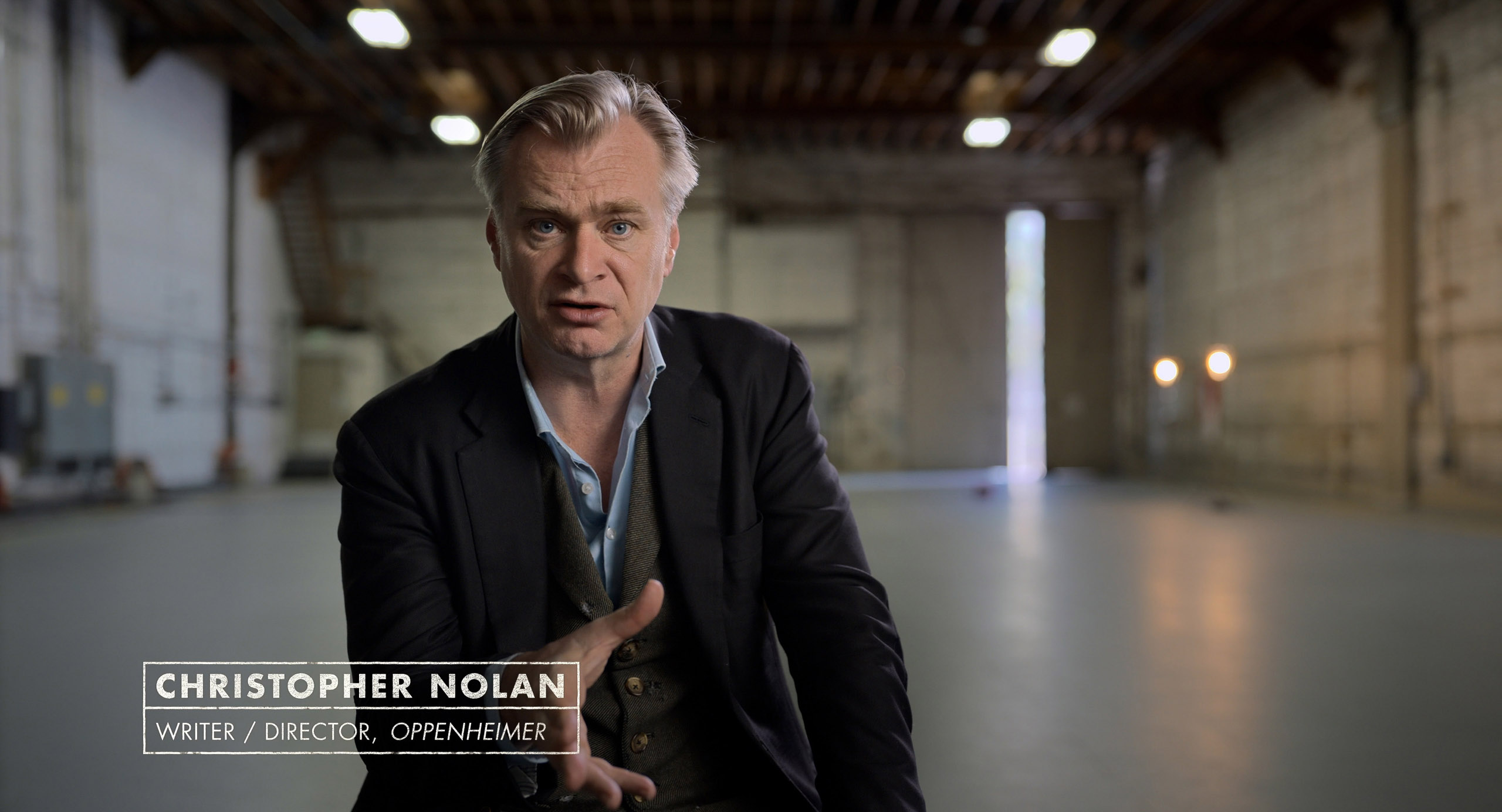
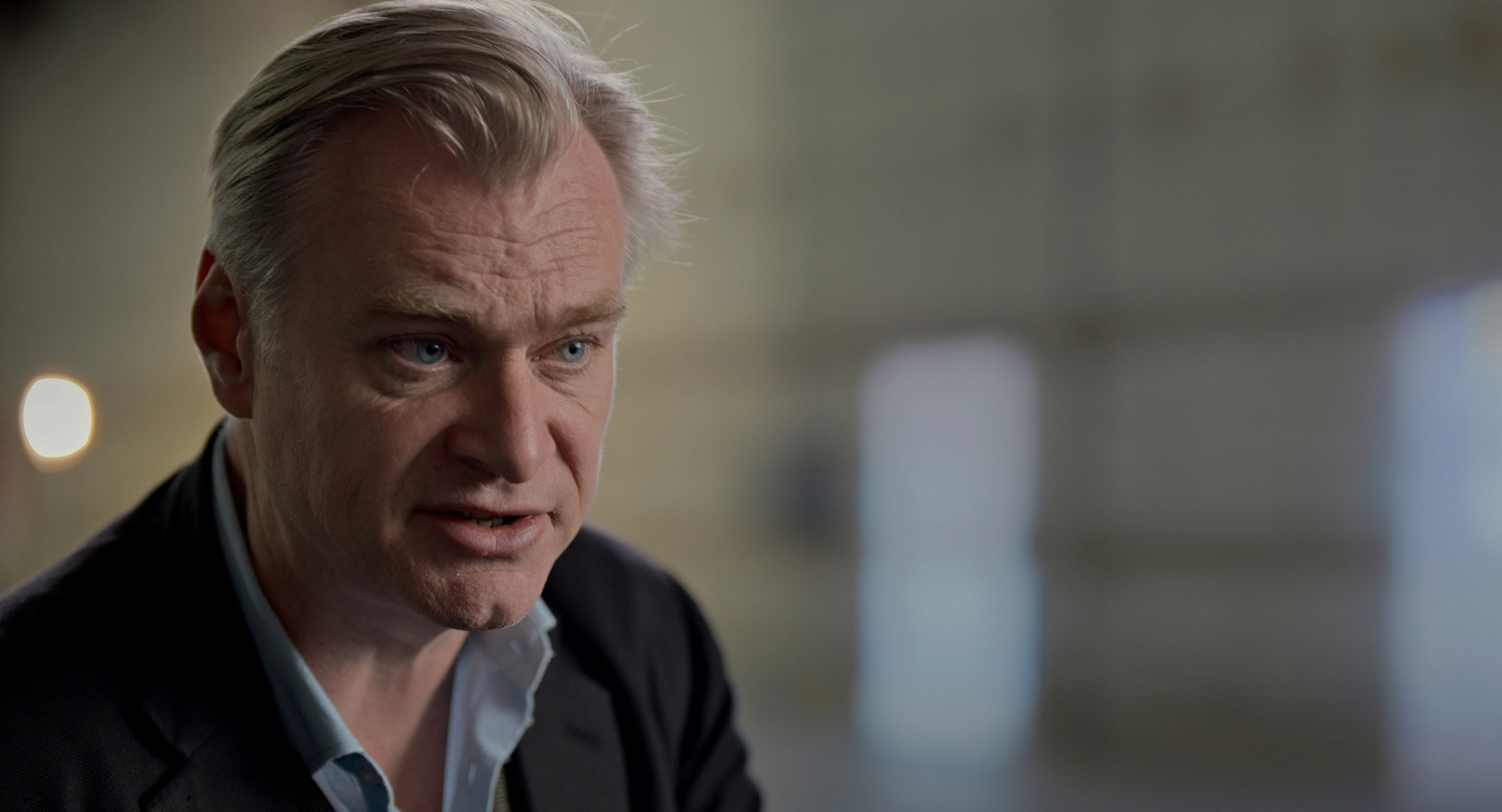
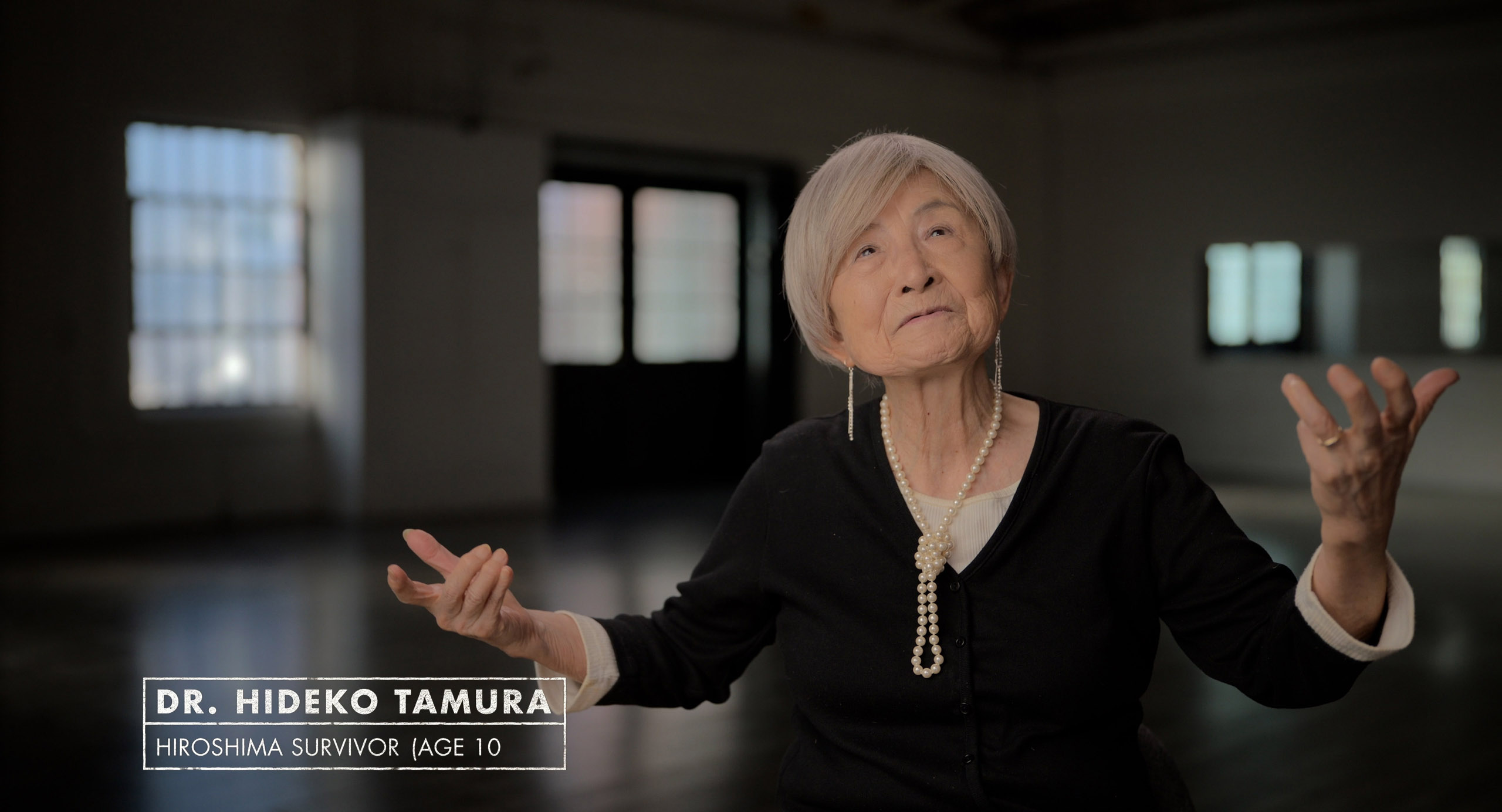
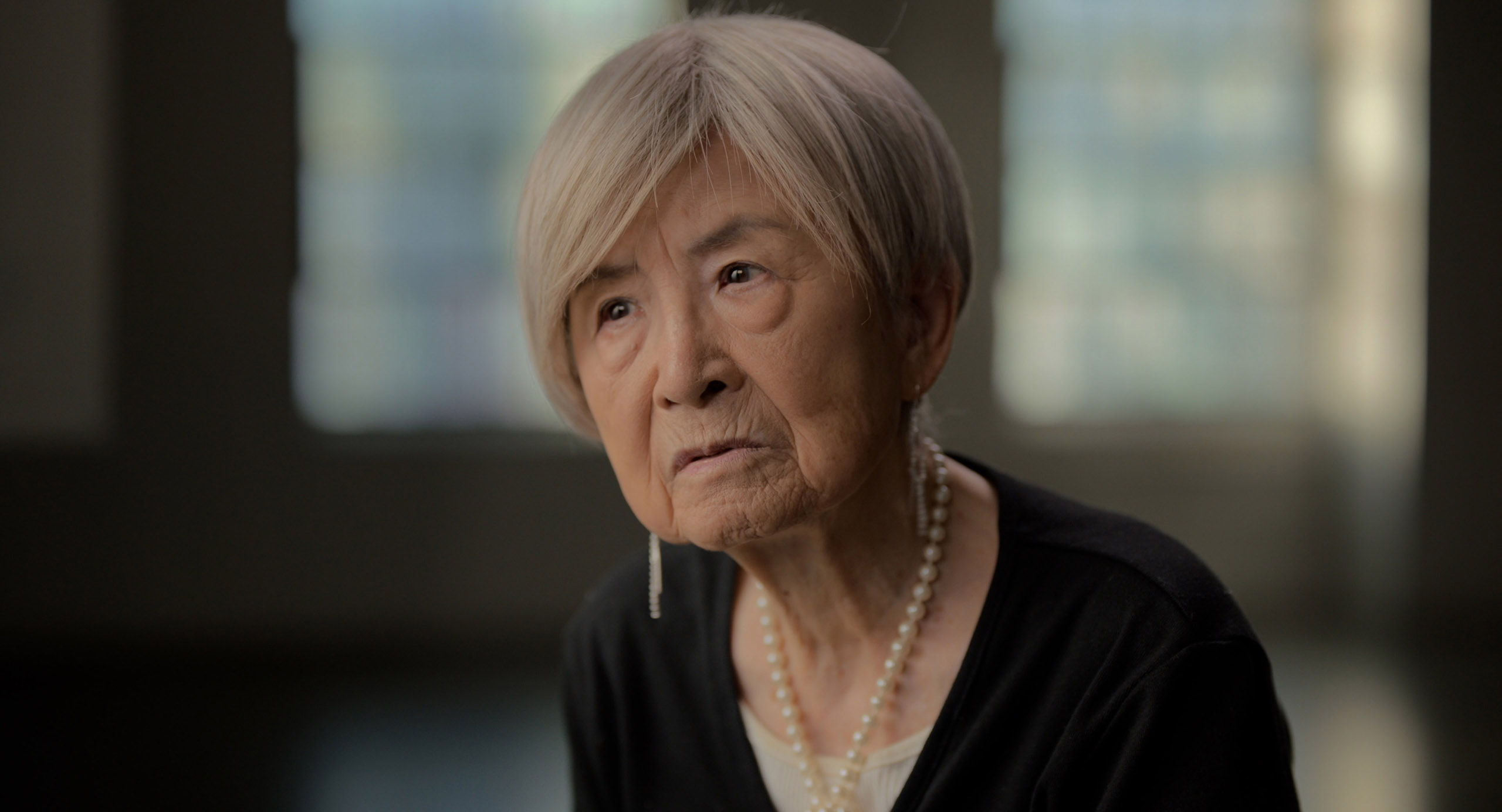
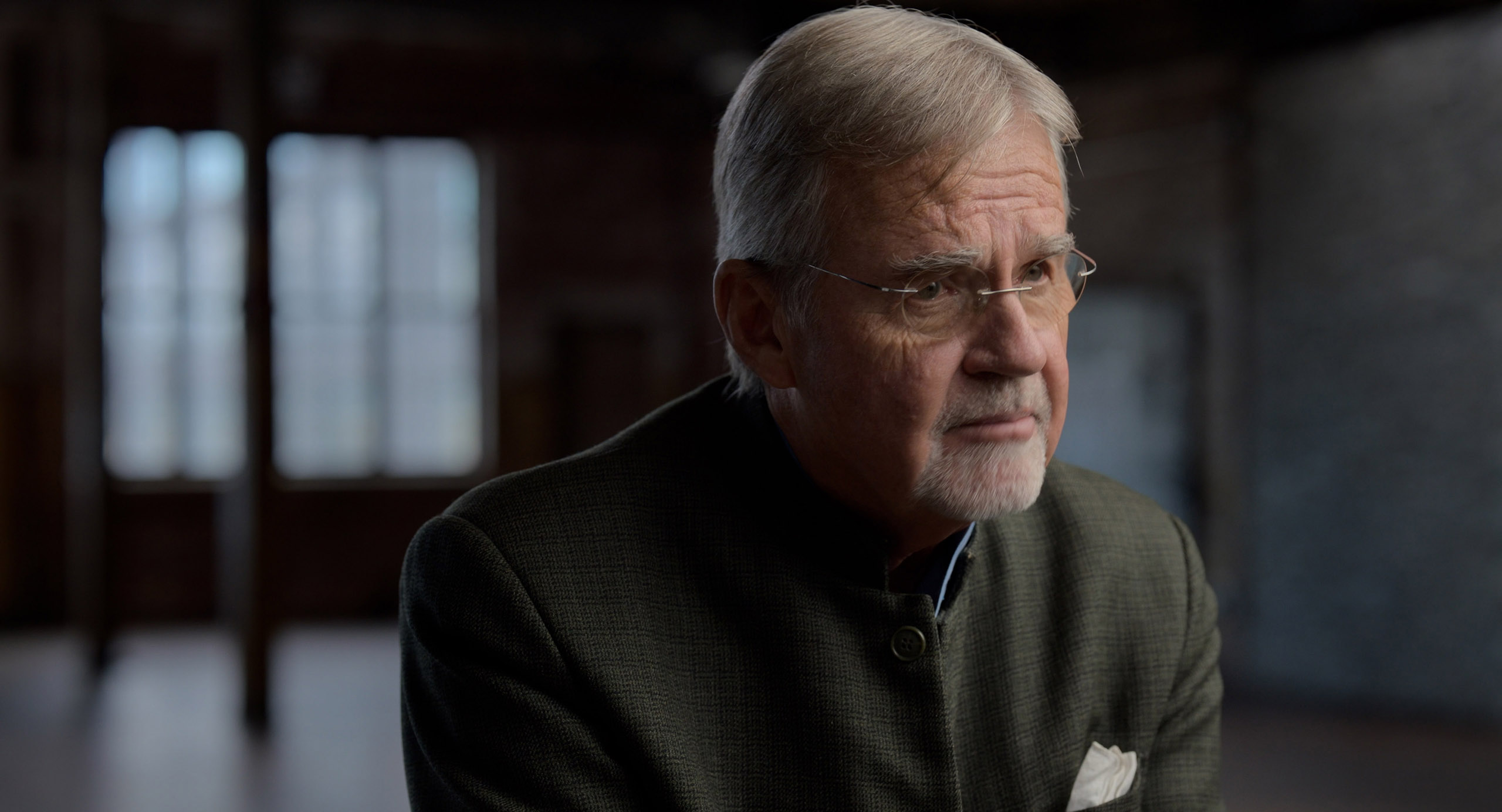
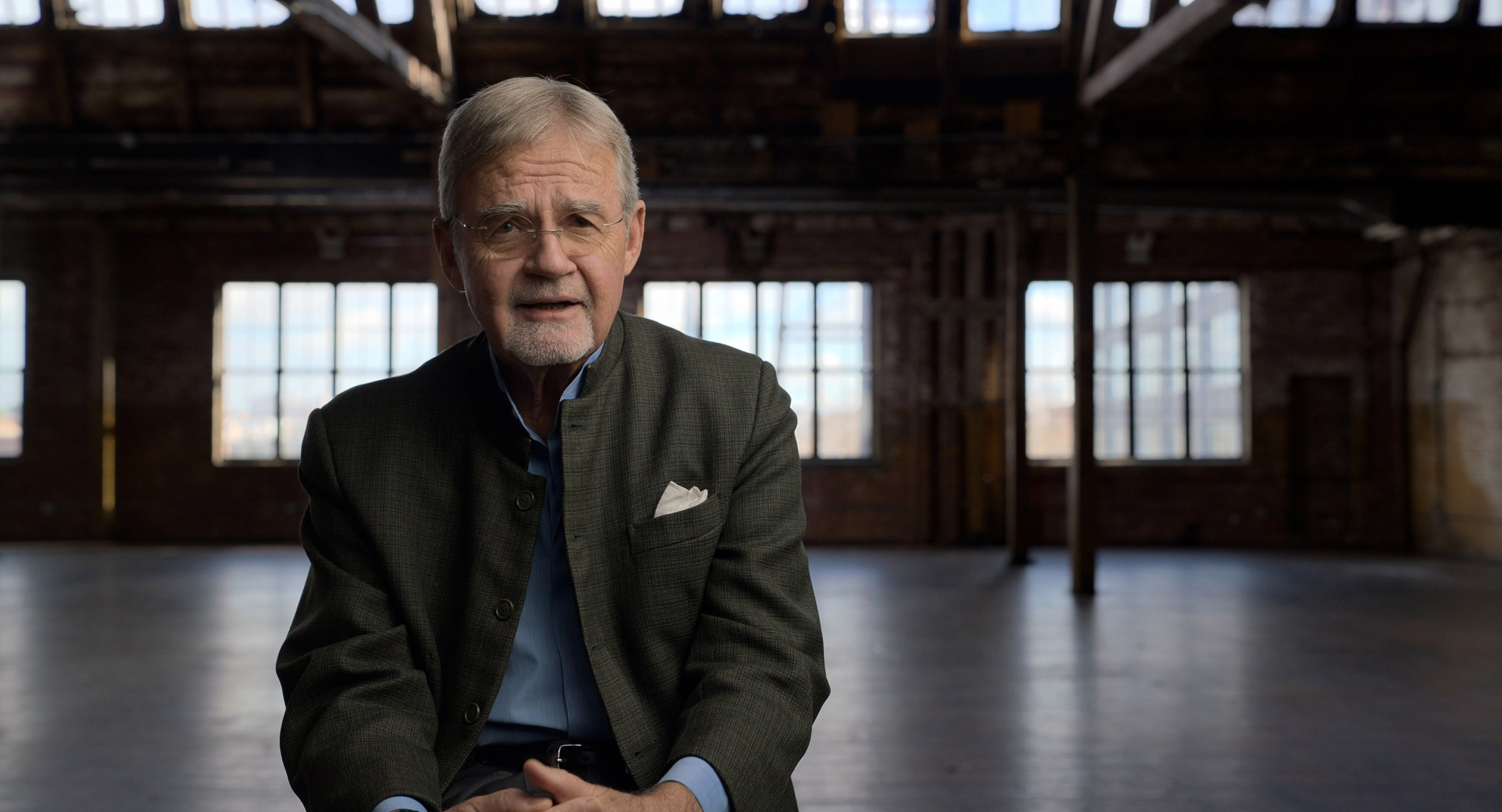
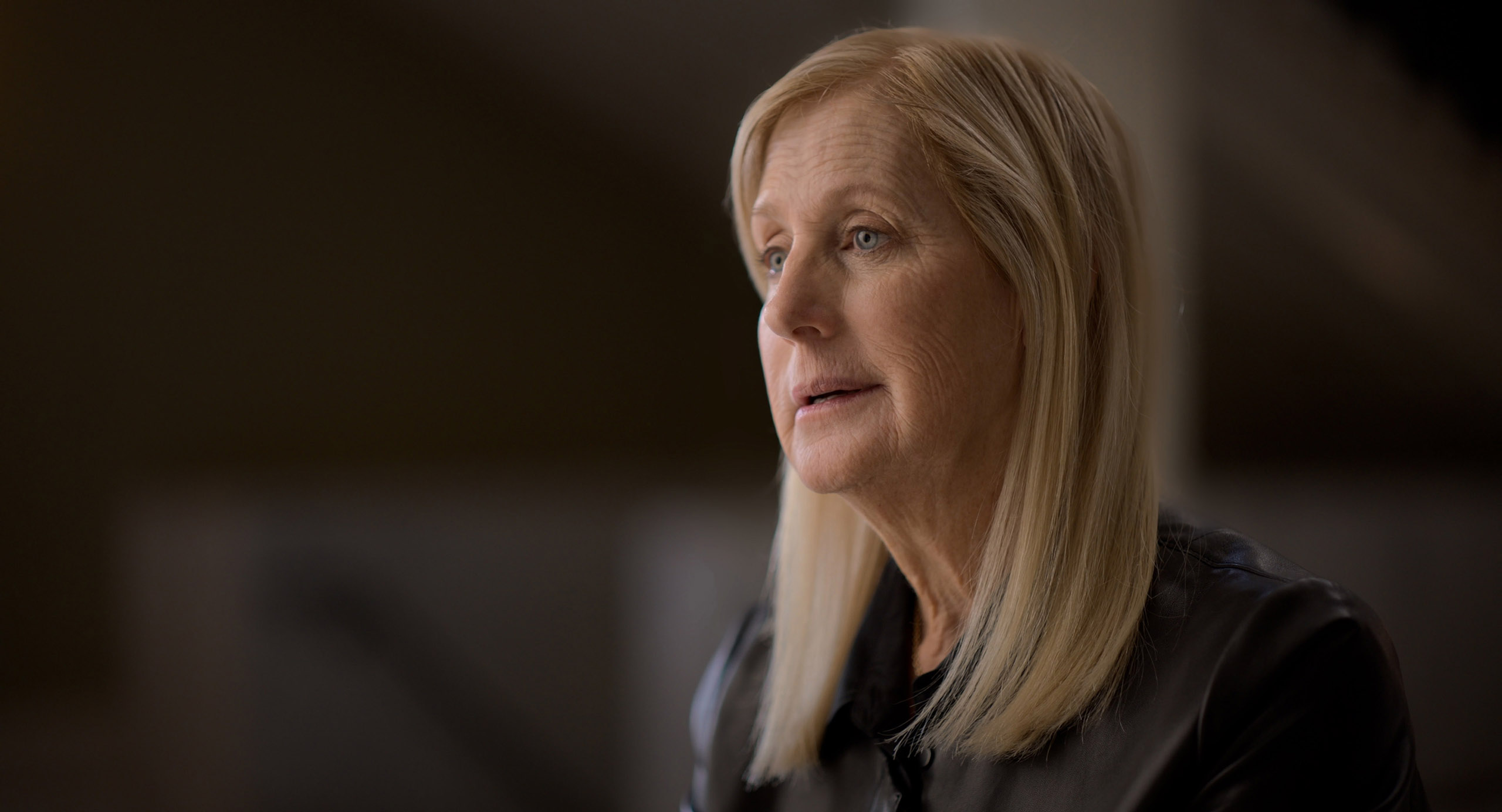
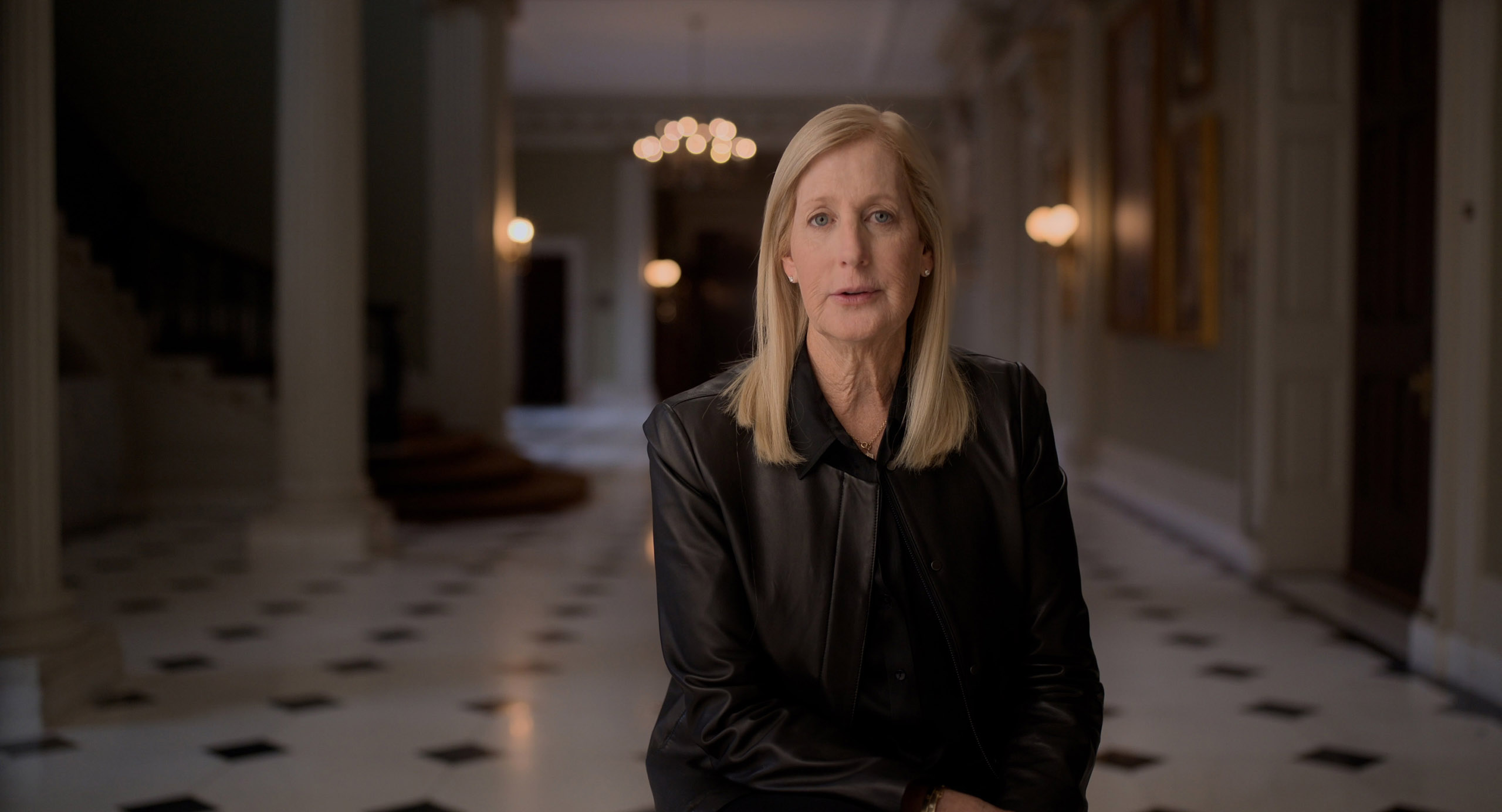
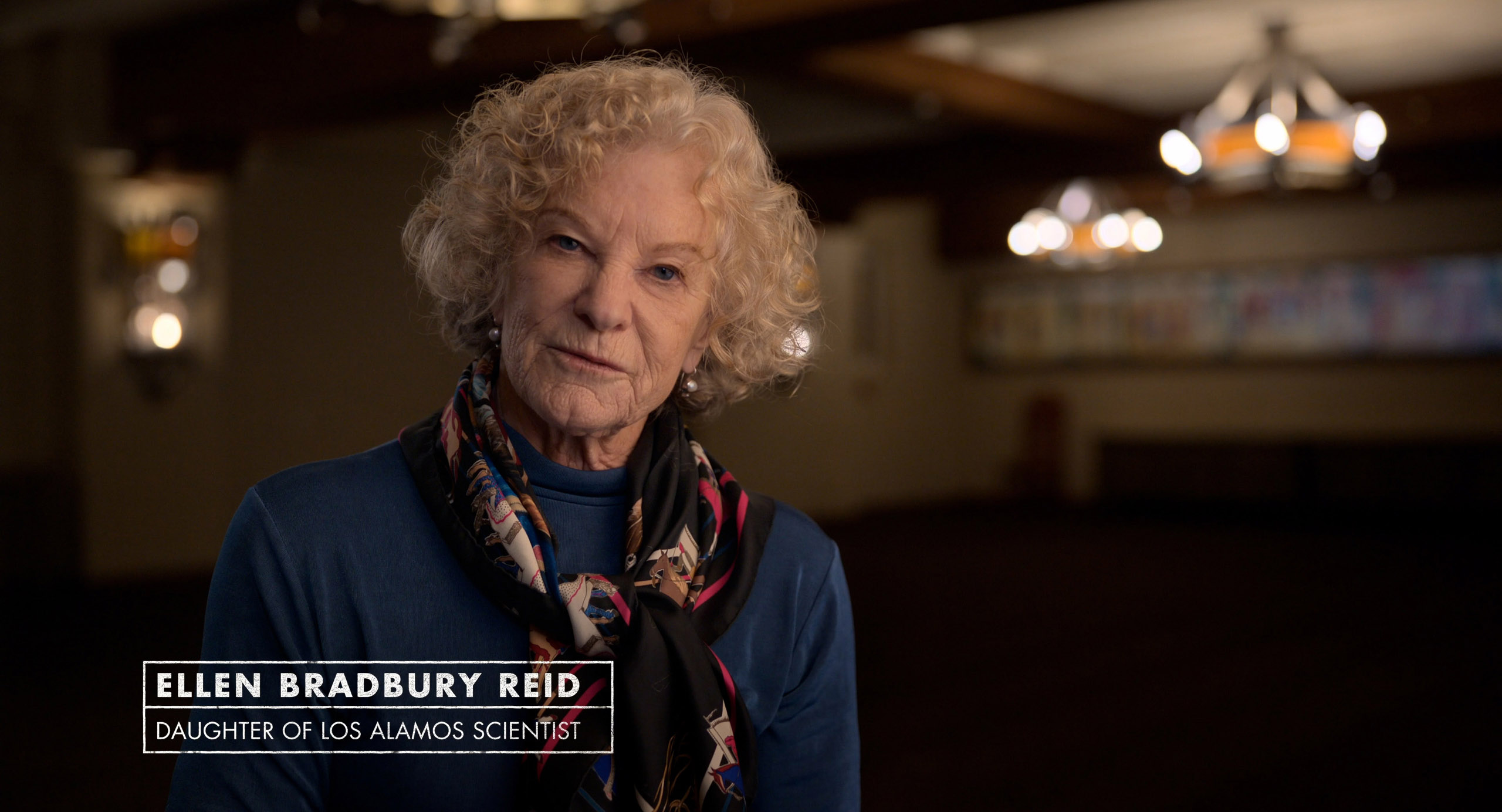
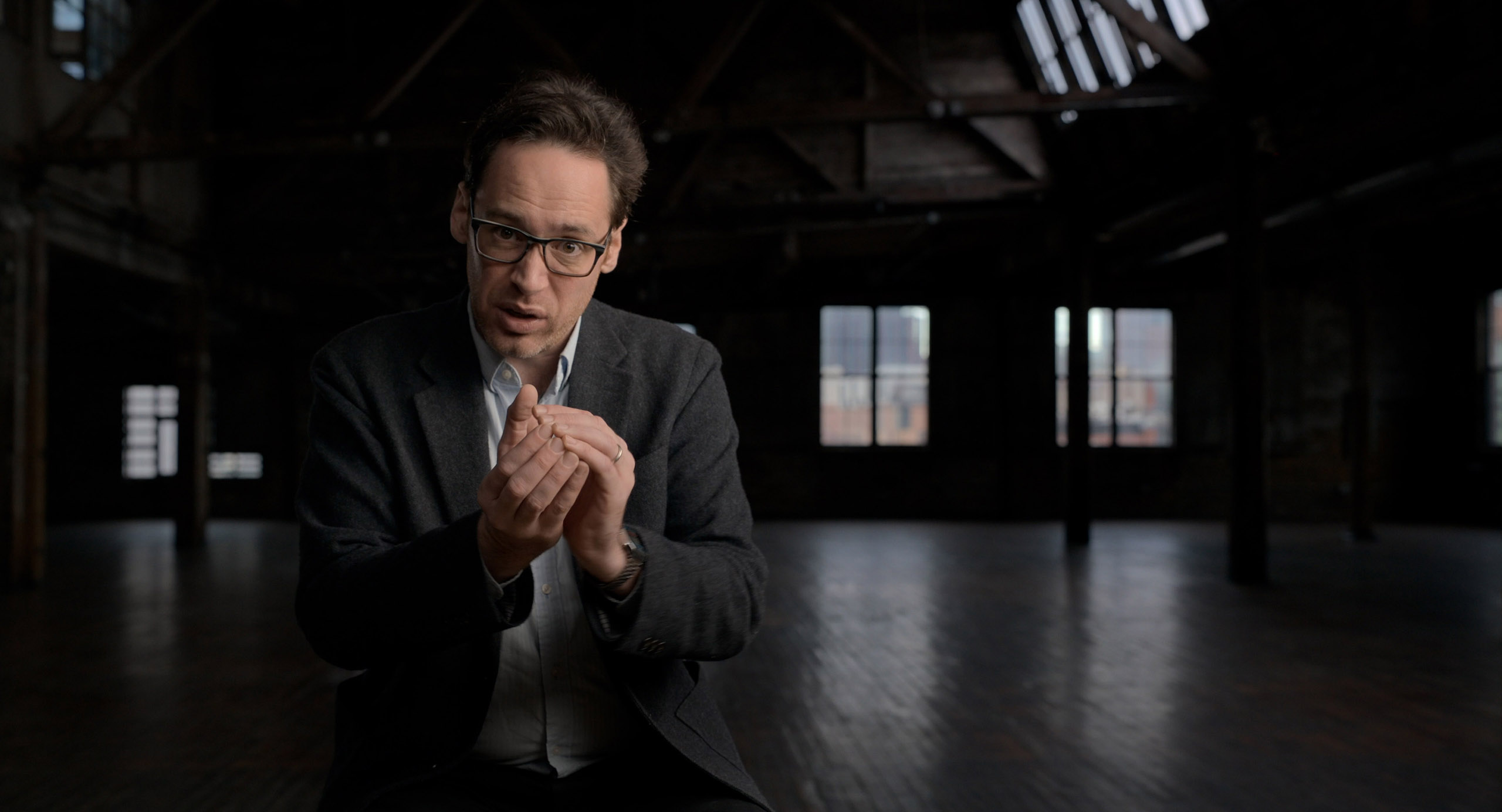
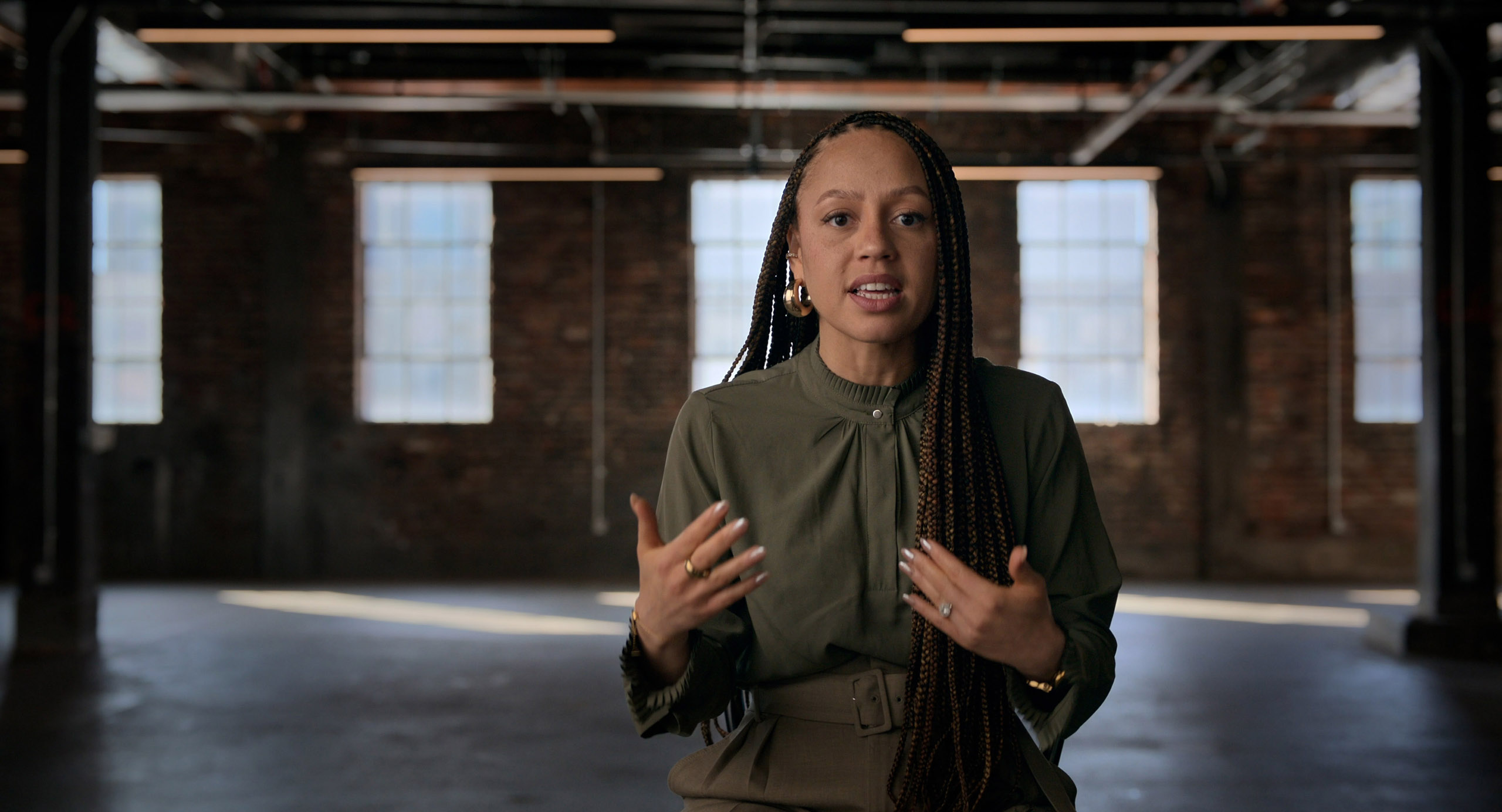
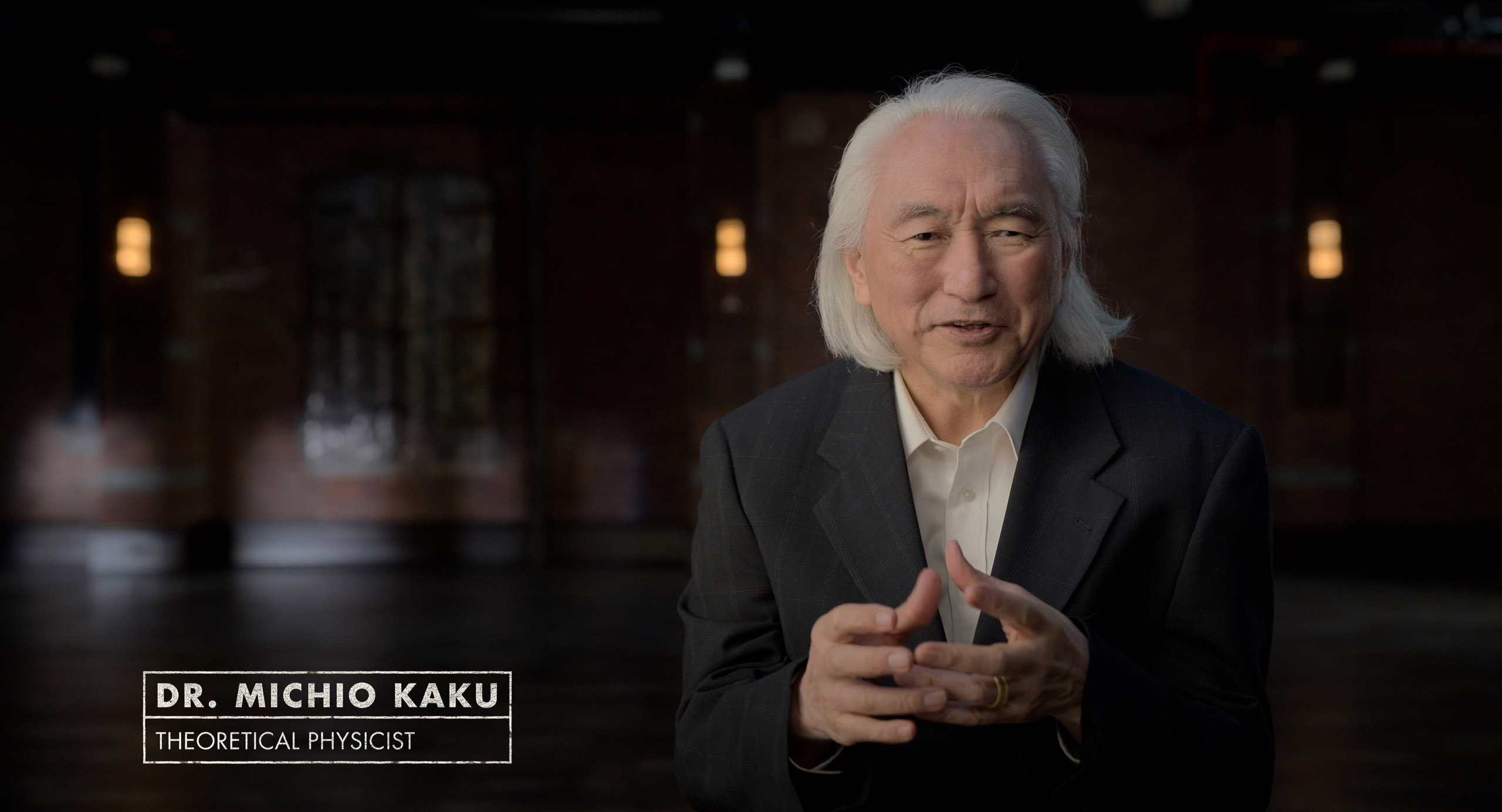
Spaces as Haunted Witnesses
We consciously avoided live-action recreations. Instead, we sought to transform empty spaces into living echoes of the events that happened there.
Light and camera movement are used to activate these spaces. Spaces remember things, and we aim to suggest presence through absence.
Archival as Tactile Experience
Archival material is treated as experience, not an insert. It should have a living, tactile presence, organically grounded in the live-action elements.
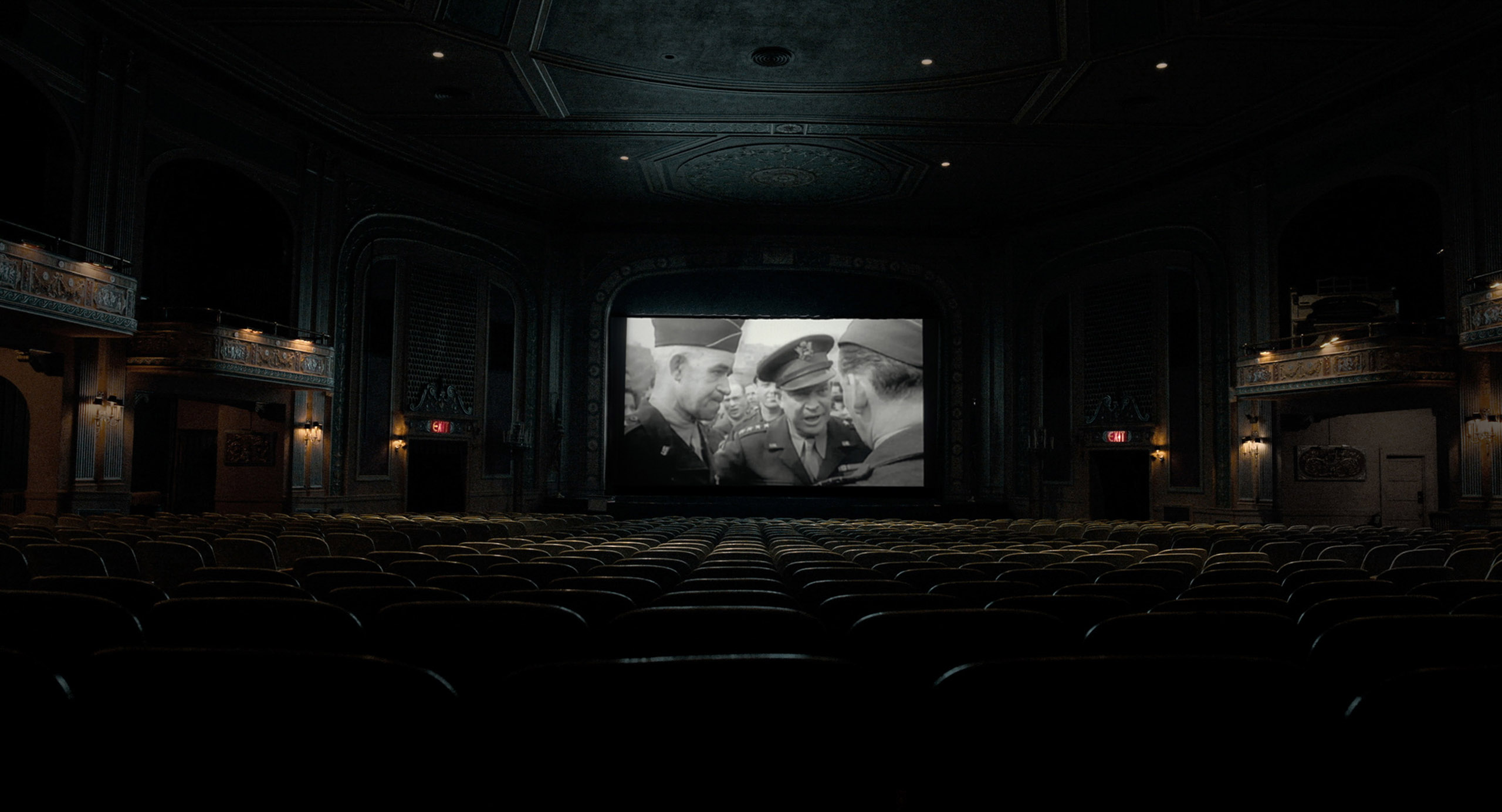
To breathe life into wartime newsreels through light, I proposed filming them live-projected in a vintage cinema, the way Americans in the 1930s and 40s would’ve encountered them, allowing archival sequences to be entered as scenes. The dust motes in the projector beam echo later graphic animations as the film traces the birth of quantum physics.
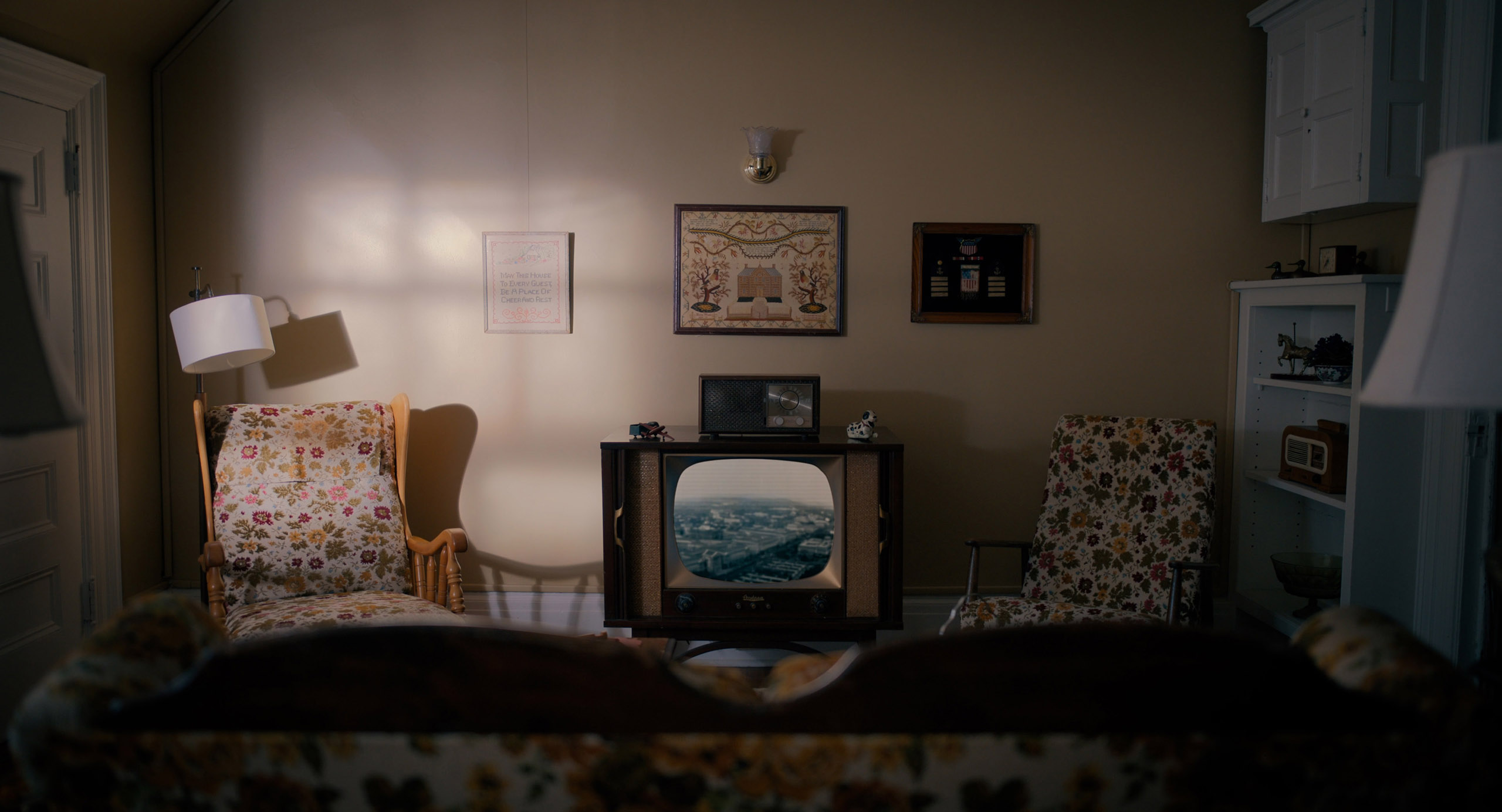
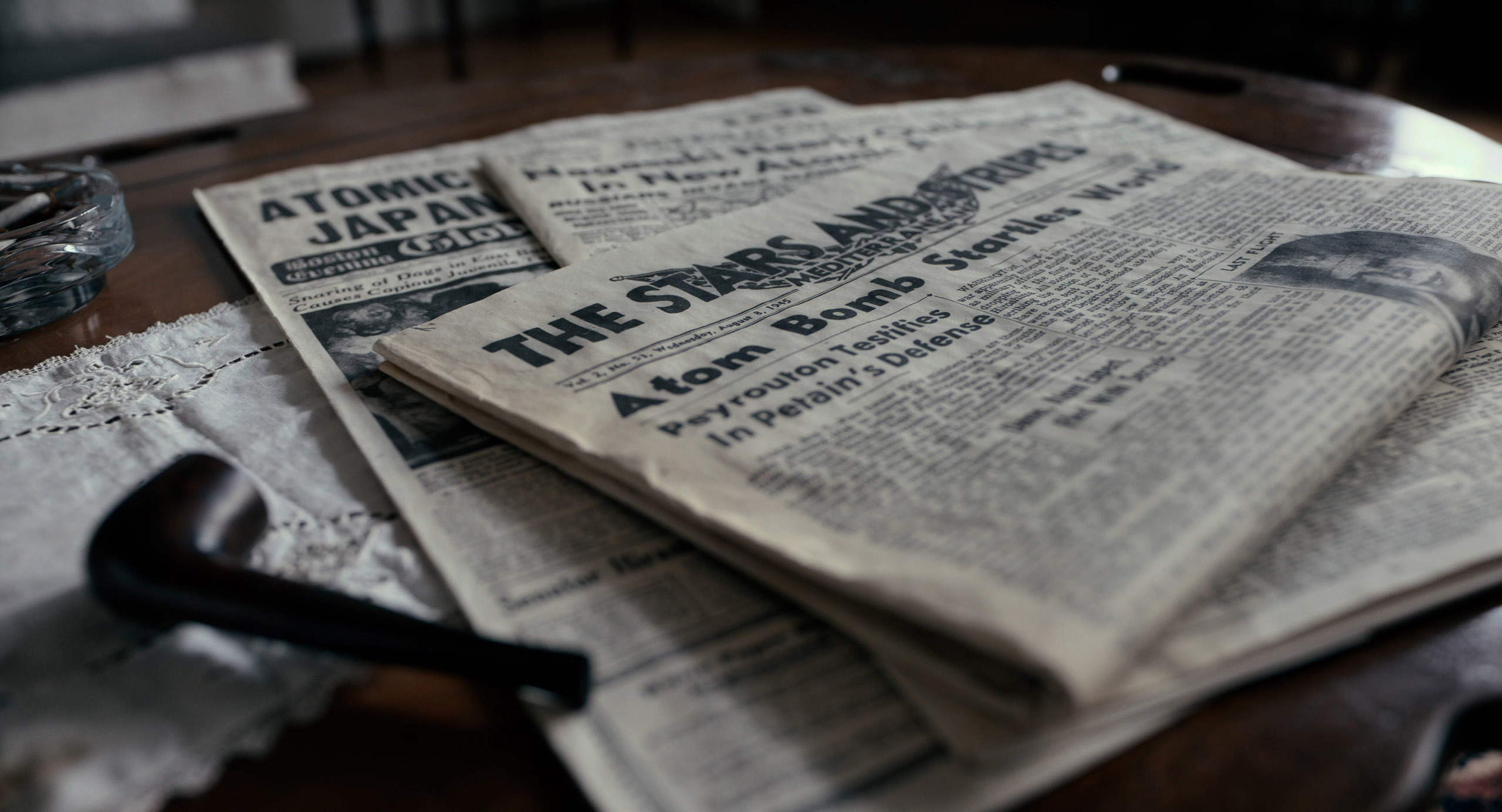
Postwar footage is shown on vintage television sets in period living rooms. Newspaper headlines are seen in physical spaces. Still photographs are treated as carousel slides rather than straight inserts. In each case, the goal is tactility and presence, in step with the film’s other elements.
A-roll
What is often labeled B-roll is treated here as authored A-roll, on par with interviews and archival. These images are not used as coverage or filler, but as primary storytelling elements carrying the film’s emotional narrative alongside the spoken story.
Light & Motion
Across interviews, spaces, archival, and A-roll, lighting and movement are used to bind disparate elements into a single visual language.
Early on, we set ourselves a guiding rule: every frame should contain some form of motion. That motion might come from the camera, from light passing through space, from smoke wafting in a room, or from small movements within the frame. Stillness is rare, and when it appears, it’s intentional.
Large spaces are explored through dolly movement; miniature details treated the same way. In laboratory sequences and close studies of the bomb itself, a motion-controlled probe lens glides across objects at a micro scale, treating tiny spaces as landscapes. Aerials follow the same logic — no fancy drone maneuvers, just classical dolly moves in the sky — allowing the film to move fluidly across scale without breaking cohesion.
Director/EP: Christopher Cassel
Director of Photography: Tim Metzger
Production: NBC News Studios / MSNBC Films. Streaming on Peacock.
Recognition: 2024 Emmy Award - Lighting Direction, Documentary.
2024 Emmy Nominee - Outstanding Historical Documentary.